 Book a tour
This is me.
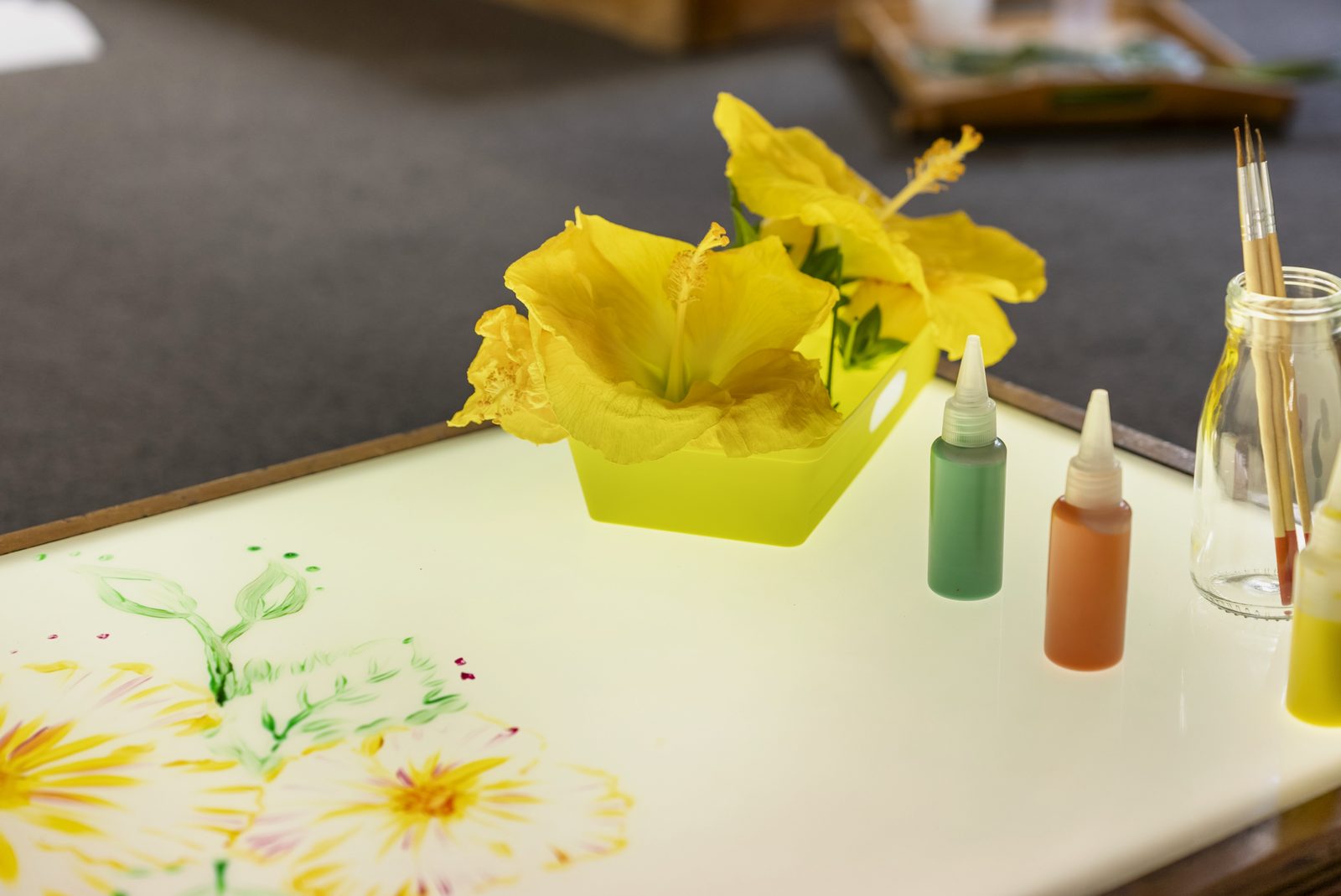
At Bear Park we see every child as deeply their own person, with opinions, experiences, thoughts and feelings already taking shape. Much of our work as teachers is simply trying to understand each child: their ways of being, who they are, and how they see themselves, both on their own and within their whānau and community.
We are inspired by Loris Malaguzzi's idea of the hundred languages of children, the belief that a child has many ways to express themselves, visual, verbal and emotional, well beyond words alone. When we make room for those languages, children show us who they are.
Here is one investigation, from the Tui group, that did exactly that.
Starting with a mirror
We wanted to deepen our understanding of the children's sense of self, so we invited them to explore who they are through materials, clay and drawing. We began with something simple: mirrors. We encouraged the children to study their own faces from this slightly unfamiliar perspective, then to express what they noticed through drawing, clay or open-ended materials.
We came back to the mirrors over several weeks. That time mattered. Returning to the same exploration let children look closely, revisit earlier work, and notice details they might never have paid attention to before, the shape of an eyebrow, the curve of a cheek, the way hair falls, the small openings of an ear. For some, it was the first time they had really looked. As a teacher, it is a special thing to share.
"What do you see, what do you notice?" That was often all it took.
One simple question
"What do you see, what do you notice?" That was often all it took. It opened up rich conversation about shape, form, colour and structure, and about how the children were alike and how they differed. Without being steered there, the group found their way into thoughtful talk about diversity, sharing what makes each of them unique and what they have in common.
Children explored feelings too, shifting their faces in the mirror to make different expressions, then capturing them in their work. One child set out to draw "a sad eye."
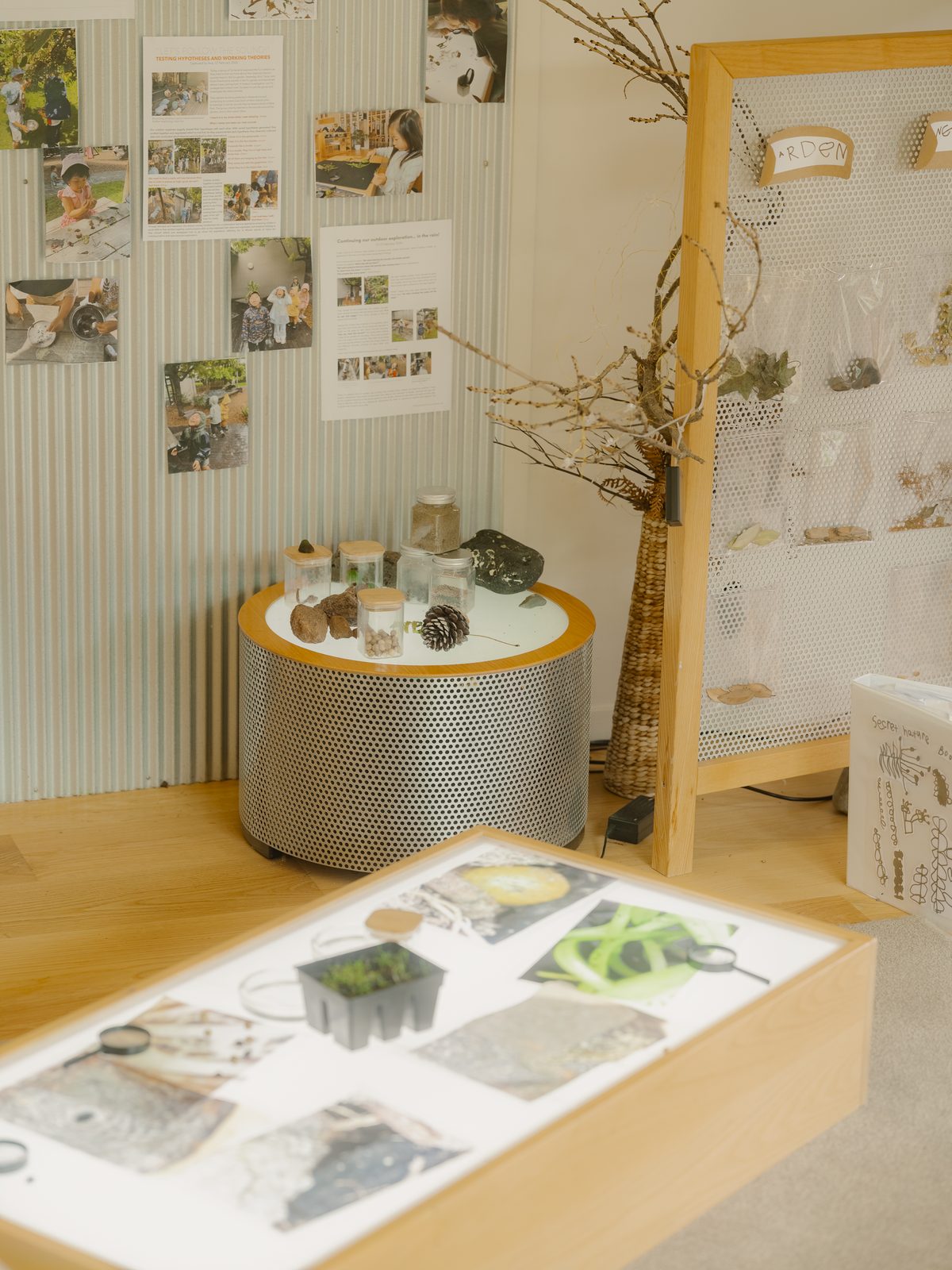

This is me
As the investigation grew, we noticed how differently each child sees, interprets and expresses the same task. Their self-portraits became a window into who they are, each one a quiet declaration: this is me, this is who I am.
Curiosity took some children further still. A few began to wonder about what lies beyond what we can see, hypothesising about the inside of an ear, up a nose, under the skin, within a pupil. Others brought knowledge to the group, sharing facts about their teeth as they carefully sculpted a mouth in clay, one tooth at a time.
Others moved past observation altogether and told stories about themselves. Aspirations to be a princess, a flower, even a rat. Things that matter to them, like family and the small landmarks of their lives. Each child as both the subject and the artist, every picture with a story to tell.
Why we do this
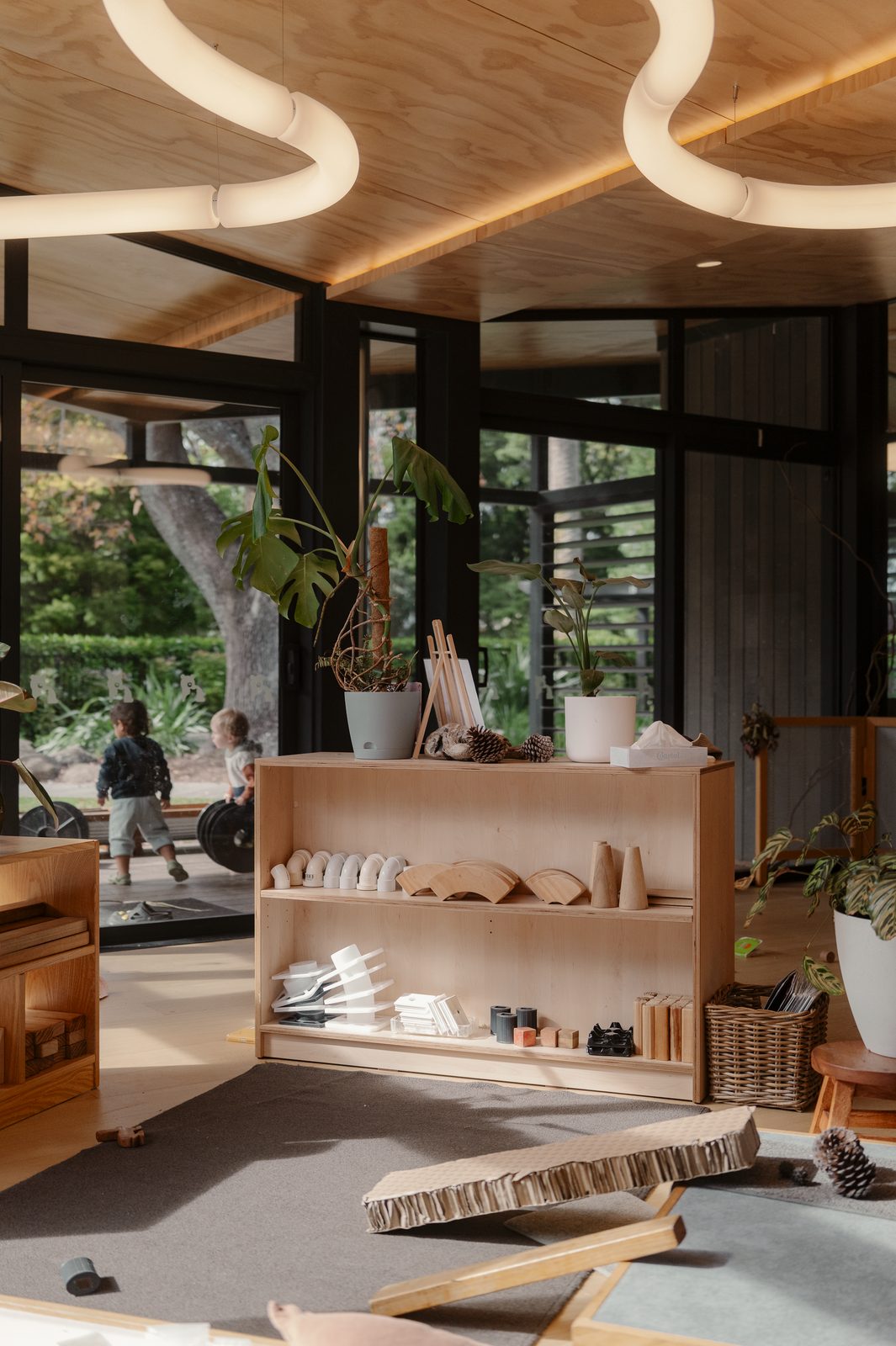
For us, this affirmed something we hold closely: the value of listening, observing and staying open to what emerges when children are given time, space and the right materials to express themselves honestly.
The point was never to get children to draw or sculpt their faces well. It was to glimpse how each child sees themselves, to find some understanding of what Malaguzzi called their "me-ness." Along the way, children build mana tangata, a real confidence in who they are, alongside a genuine appreciation of how their friends are different too. That is how a warm, curious learning community grows, one where every way of being is listened to.
Written by Linda Mikaere, Bear Park Mt Eden.
 See it for yourself
Come and see a morning for yourself
Reading about it only goes so far. A tour takes about 45 minutes, free, no commitment, and you can bring every question.
Book a tour More from the Journal